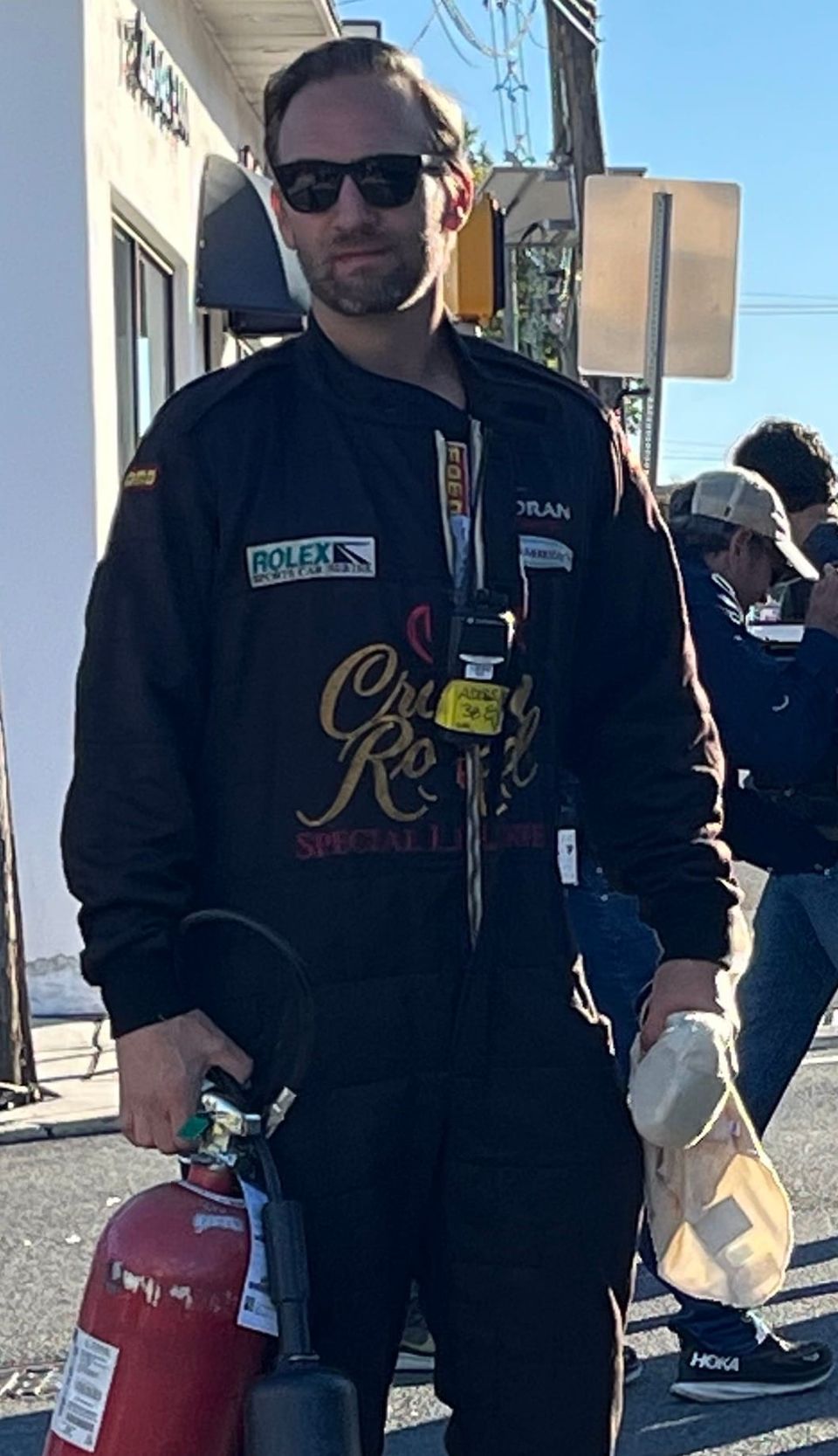
I was lucky enough to join an acrobatic company filled with performers who would soon become elite stuntmen and, eventually, stunt coordinators. The troupe included Aaron, Caroline, and Luke Vexler, Shane Geraghty, Mark Fichera, and Mam Smith. We all helped each other break in.
When I started, there were no databases—only Wally’s book, Stunt Players Directory, and you had to be in SAG and have credits to get into the book. There were stunt services like Bill’s and Missy’s, but those were based in LA. In New York, you had to hustle the old-fashioned way: tracking down coordinators’ emails, home addresses, and phone numbers. Through the people I mentioned above, I was able to build a list and start my first real rounds of hustling—mailing and emailing headshots, cold-calling coordinators. Texting wasn’t really an accepted form of communication yet.
My first break came through the misfortune of one of my troupe mates. He had been called to double on a job but had just undergone knee surgery. He recommended me, and I landed my first stunt gig. Well, I actually had to go to set to get looked at by the director. I was in the middle of a rehearsal for the acrobatic troupe and took off to Brooklyn right away. The director said, “The actor is bald. I can’t tell if he is a good double with all the hair.” They asked if they could shave my head and told me if I didn’t get the job, I would get compensated. I showed up back at the rehearsal bald, and everyone was laughing at me.
We rehearsed the gag where I jumped onto the hood of a car as it drove backward, whipped a reverse 90, and threw me off into a snowbank. Ironically, we shot the scene in the middle of a full-blown blizzard. The scene never made the final cut—but I had my foot in the door. As a funny side note, the coordinator of that show knew I was new and rattled off a list of all the pads I should have. I ran out and bought them all and then proceeded to wear every one of them on the shoot day. I looked like the Michelin Man!! It’s so embarrassing to think about now. And since I was landing in a real snowbank, I didn’t need a single pad and wouldn’t put any on today if I were to redo that stunt. Now, when I see a newer stunt person over-padded, I talk to them and explain why they probably don’t need that many pads on.
My next big job was doubling the Blue Man Group for Intel commercials. We shot three commercials at once, and I doubled all three Blue Men. It was a very wire-heavy job. One memorable moment came during a scene where one of the Blue Men had to drink orange juice. His two castmates kept sneaking vodka into the glass and insisting on more takes. He got tipsy before he finally realized what was going on.
Not long after, I received a call from Roy Farfel to do a reenactment of the Battle of Gettysburg for the IMAX theater there. About eight younger New York stunt guys, two horse experts from Texas, and a handful of riggers from different places came together in Hagerstown, Maryland. We had a full week of rehearsals—it was like stunt camp. We ran fight choreography, learned how to fire muskets, and for the first time, I rode a ratchet, hit an air ramp, and used a descender. It was probably the most fun I’ve ever had in the business. We filmed during a heatwave—wearing full wool costumes. It was the hottest I’ve ever been in my life; we would drink endless bottles of water and just sweat it out.
The job that truly opened the door for me to the LA stunt community was Indiana Jones and the Kingdom of the Crystal Skull. I mailed my headshot and résumé to the production office and got a call to audition in LA. I flew myself out. About 20 guys were there, and we all had to drive stick-shift military jeeps. Only a handful of us could do that, take reactions, and throw punches. I got the job. Four days after my daughter was born, I was off to New Mexico—and then LA. It was the first show I maxed out on.
I still keep in touch with many of the core guys from that show, and those relationships have paid dividends for the past 20 years. The stunt coordinator was one of the best in the business—and famously a yeller. While we were in New Mexico, the town had a truck stop and a Walmart, and that was about it. We bought a WWE championship belt, and whoever got yelled at last each day had to take the belt back to the hotel and bring it to set the next morning. It was our way of making light of the stress.
I started thinking seriously about transitioning into stunt coordination. I had the opportunity to cover sets and found I really enjoyed the problem-solving side of the job. When it was announced that Marvel would be filming five series in New York, Phil Silvera suggested we team up and go after one.
We shot a great previz with Chris Brewster playing the heroes and got it in front of Marvel. We landed the job—and immediately jumped into the deep end. Fortunately, I had previously worked as an assistant coordinator under Jonathan Eusebio on TMNT 2, where I sat in on meetings, went on scouts, and helped oversee stunt budgets.
That first season of Daredevil is what truly launched my coordinating career.
I always tell younger stunt performers to take the risks and go after opportunities. You never know what can happen.