Alfred Hsing Performed Every “Avatar Aang” Fight Himself, From the Exact Camera Angle, So the Animators Had Something to Key To
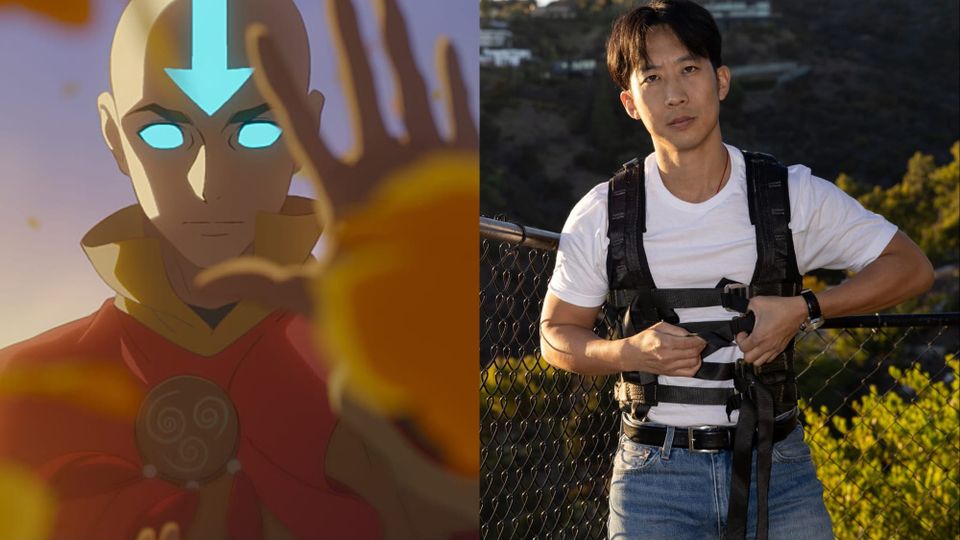
- Alfred Hsing led action choreography and stunt coordination on “Avatar Aang: The Last Airbender.”
- Animation has no stunt workflow, so he shot reference footage and performed every move for the animators.
- He asks about ground surface, armor, weapons and body size before designing a single move.
Posted: October 19, 2026
The first problem Hsing describes is structural: animation has no standard stunt workflow the way live action does, so there is no slot the choreographer drops into. His version starts at a concept meeting with director Lauren Montgomery, the producers and key creatives, where each scene gets explained in terms of who is in it, what the emotional tone is and what it has to accomplish. For the complicated sequences he and his team then shoot previs-style reference footage purely to communicate the choreography — the exact moves may not survive to screen, but the idea travels.
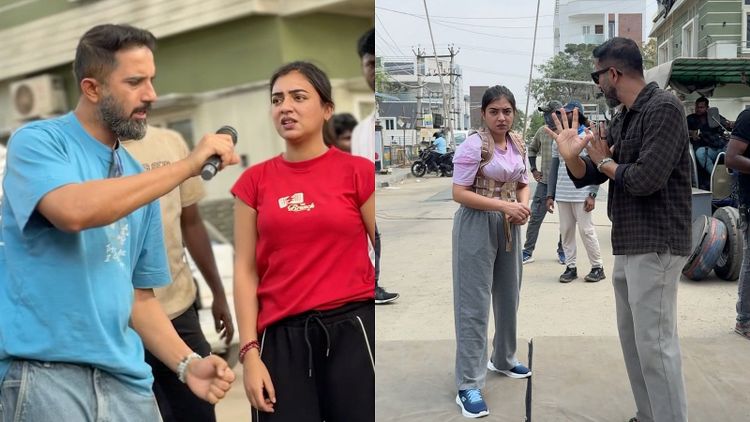
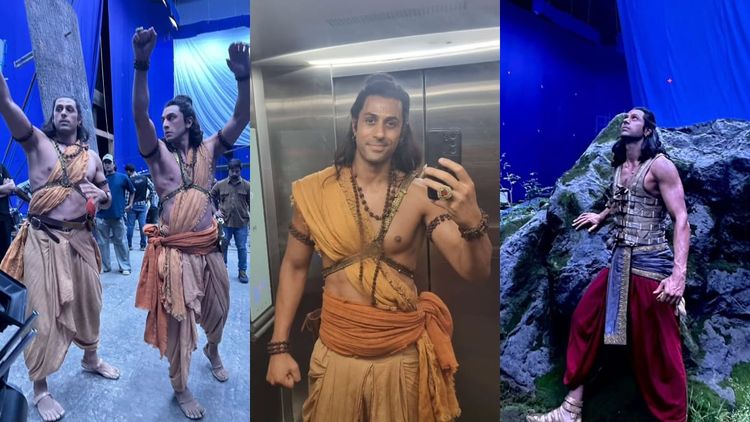
The part that matters to anyone doing this work is what happens once a sequence is close to locked: Hsing performs the moves in a studio from the exact camera angles the shot will use, and the animators take his rhythm, his flow, his hand shapes and the martial-arts detail off that footage. He performed as every character in the film, which means every character’s movement is built on his. It is a choreographer’s job run backwards from the live-action order — the performance exists first as reference, and the “performer” on screen is drawn from it.
Before he designs anything he wants the same information a coordinator would want on a stage: the ground surface, the environment, the tone, the character designs and armor, the weapons down to details like a sword tassel changing the balance, body size, and how many combatants are in the exchange. He treated Tagah and The Denied as martial artists first — close-range kung fu, kicking, grappling and traditional Chinese martial arts rather than an MMA vocabulary — and built a long-range chi-blocking technique that needed precise velocity and a working knowledge of the meridians. Tagah’s fights are choreographed around military strategy, surprise and splitting opponents up rather than raw strength.
The Denied’s weapons were designed to lend themselves to airbending: spear-blade shapes with sail-like elements, bows that channel air. Hsing is candid that their rapid proficiency with them is a pacing compromise. Aang’s own movement is built the other way — he dodges and spins, and the strikes land harder once he has found the opening.
Source: JoySauce — Inside the fight choreography of ‘Avatar Aang: The Last Airbender’
Learn more on IMDb: The Legend of Aang: The Last Airbender (2026) · Alfred Hsing